history
In Viking age Norway, soapstone was the most common material that cauldrons were made from for household cooking. Because of this, and the industry built up around soapstone bowl fabrication at the time, a very large number of soapstone cauldrons have been found from the period and can be recreated, often along with the handle hardware.
historical examples
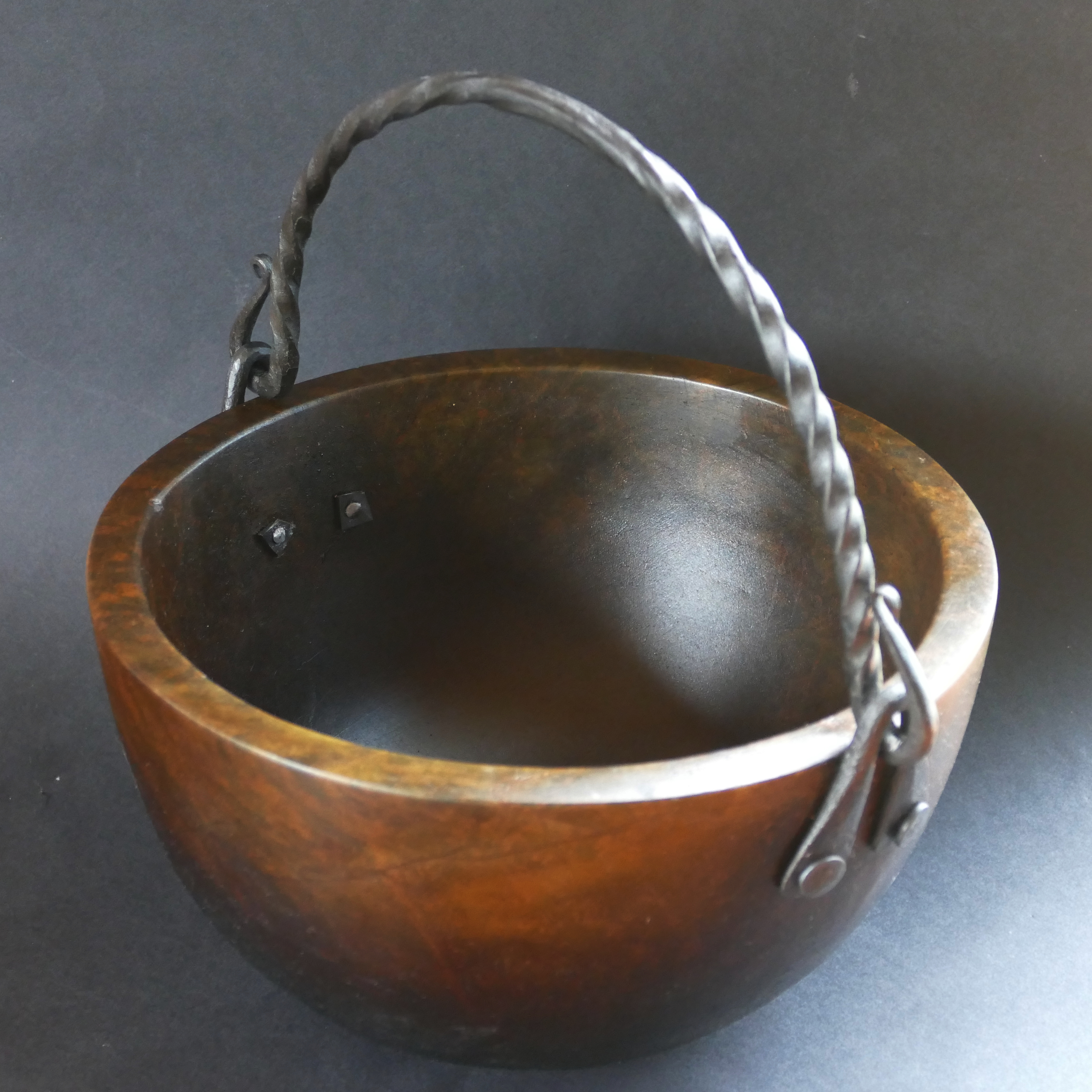
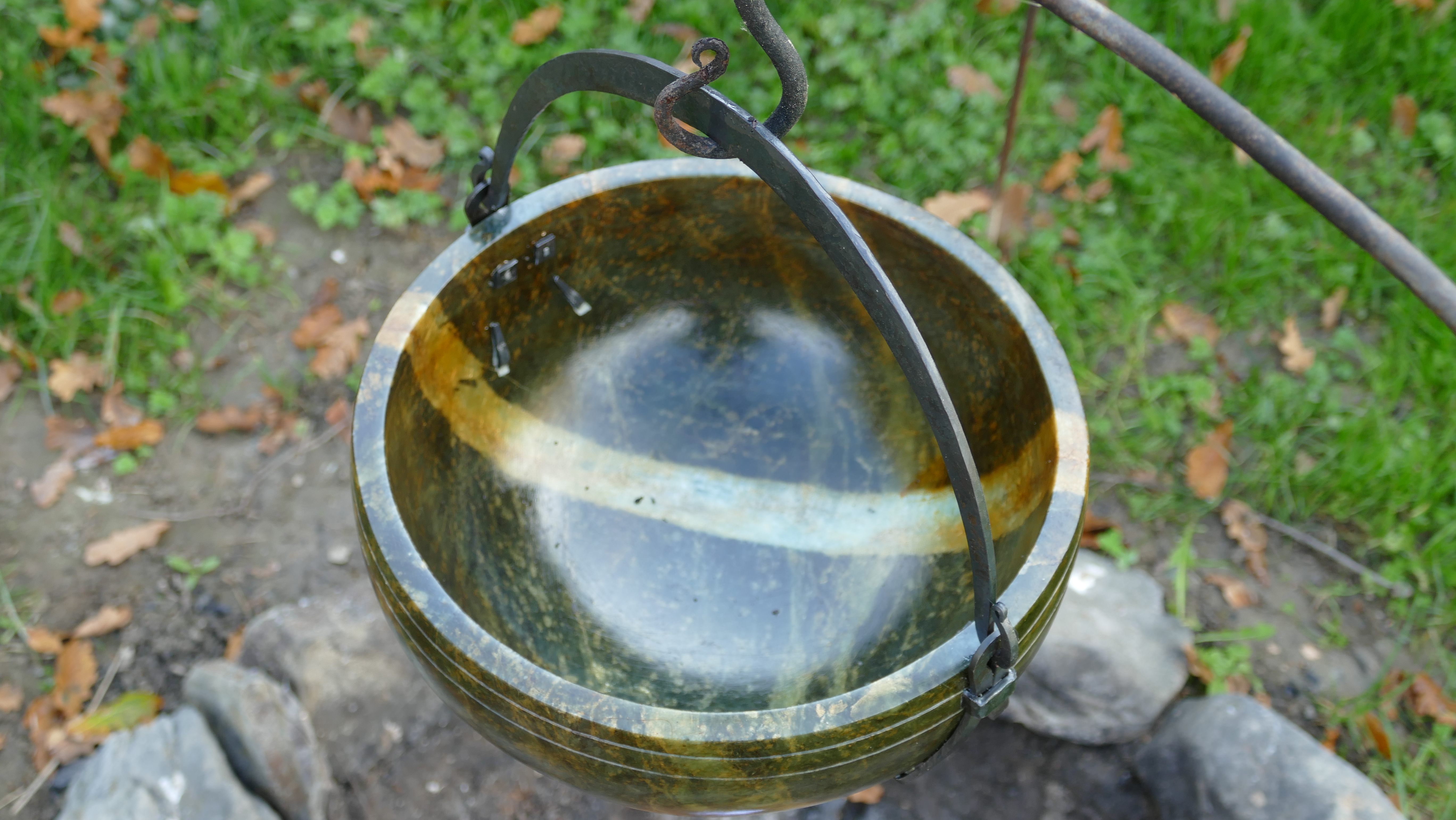
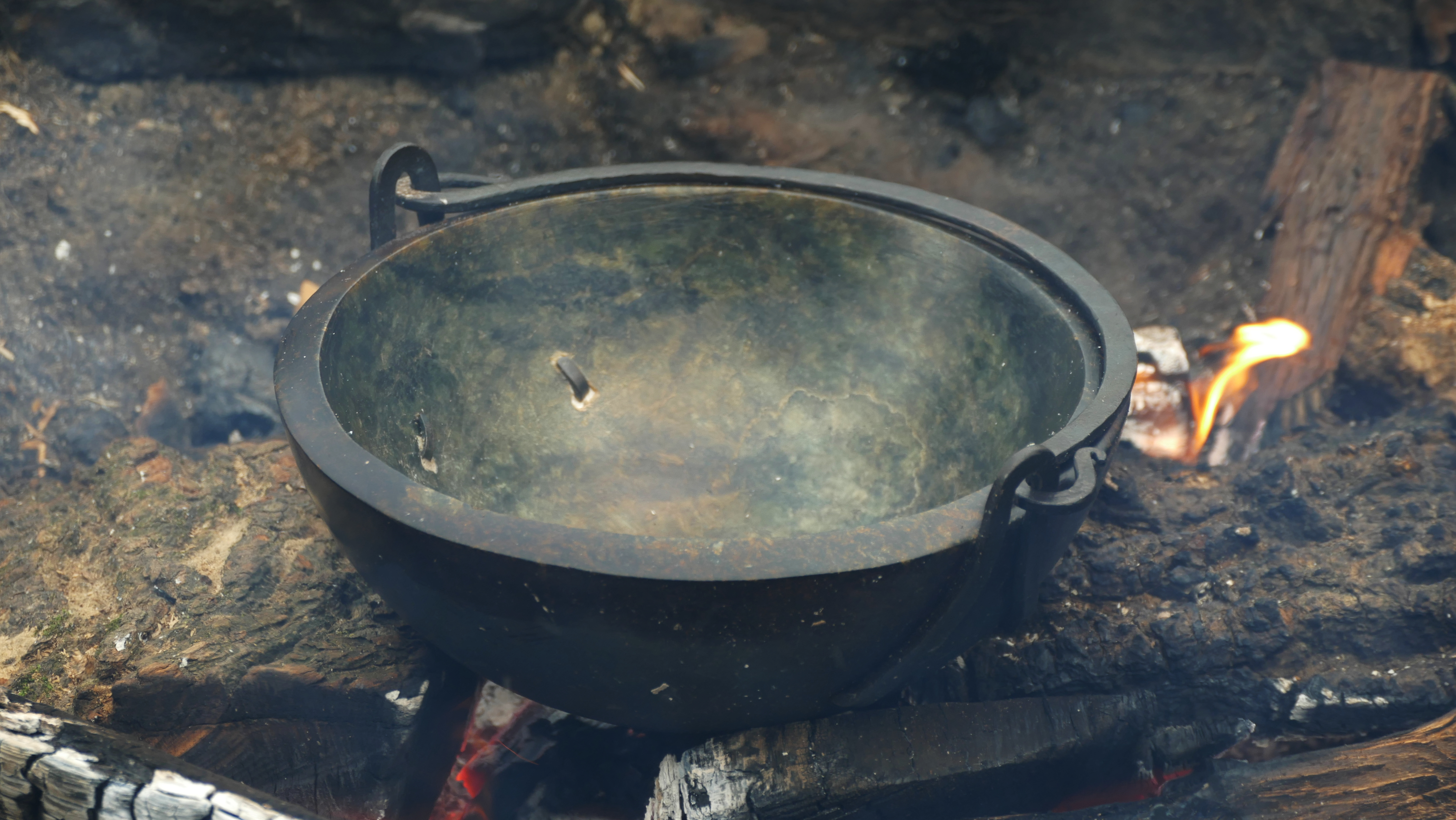
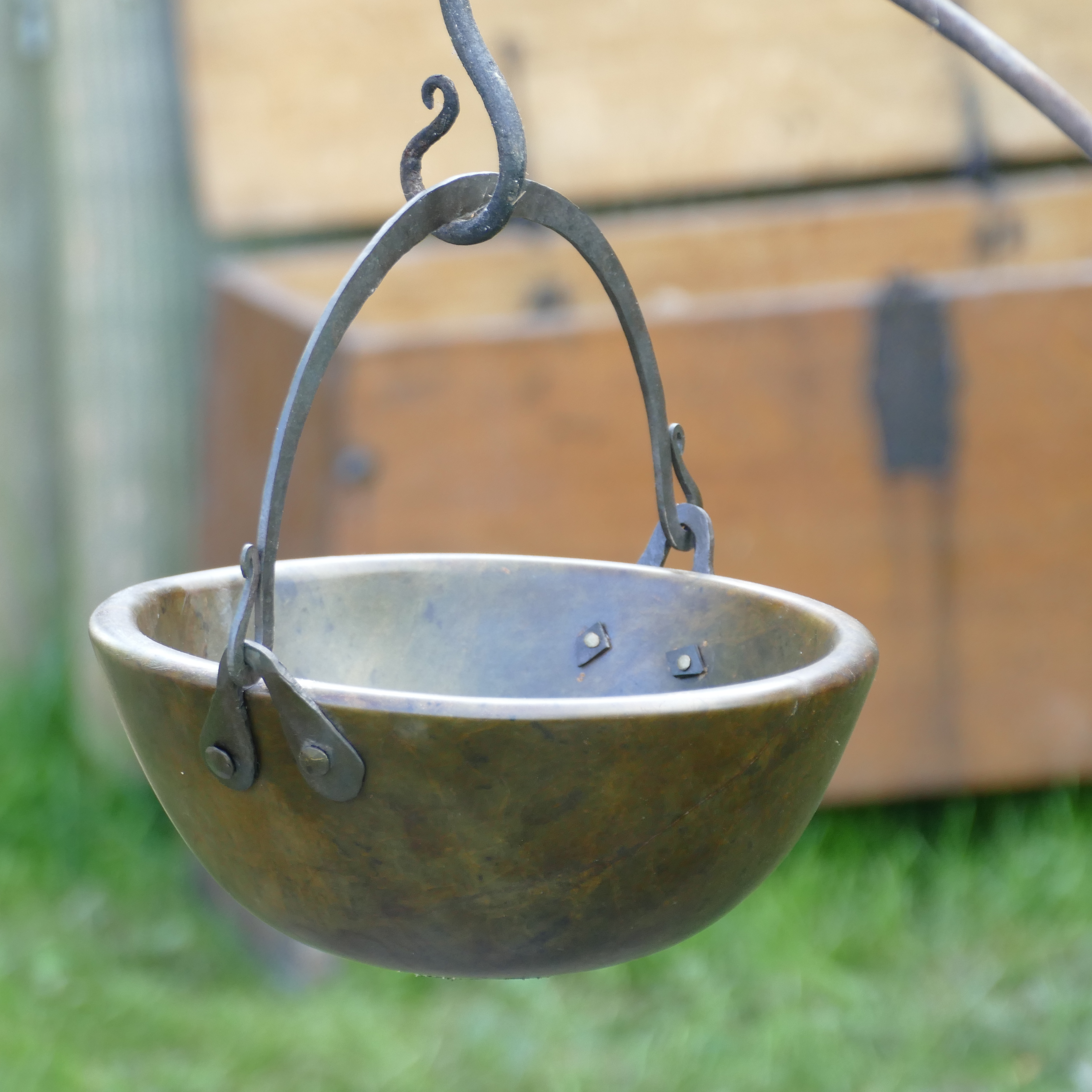
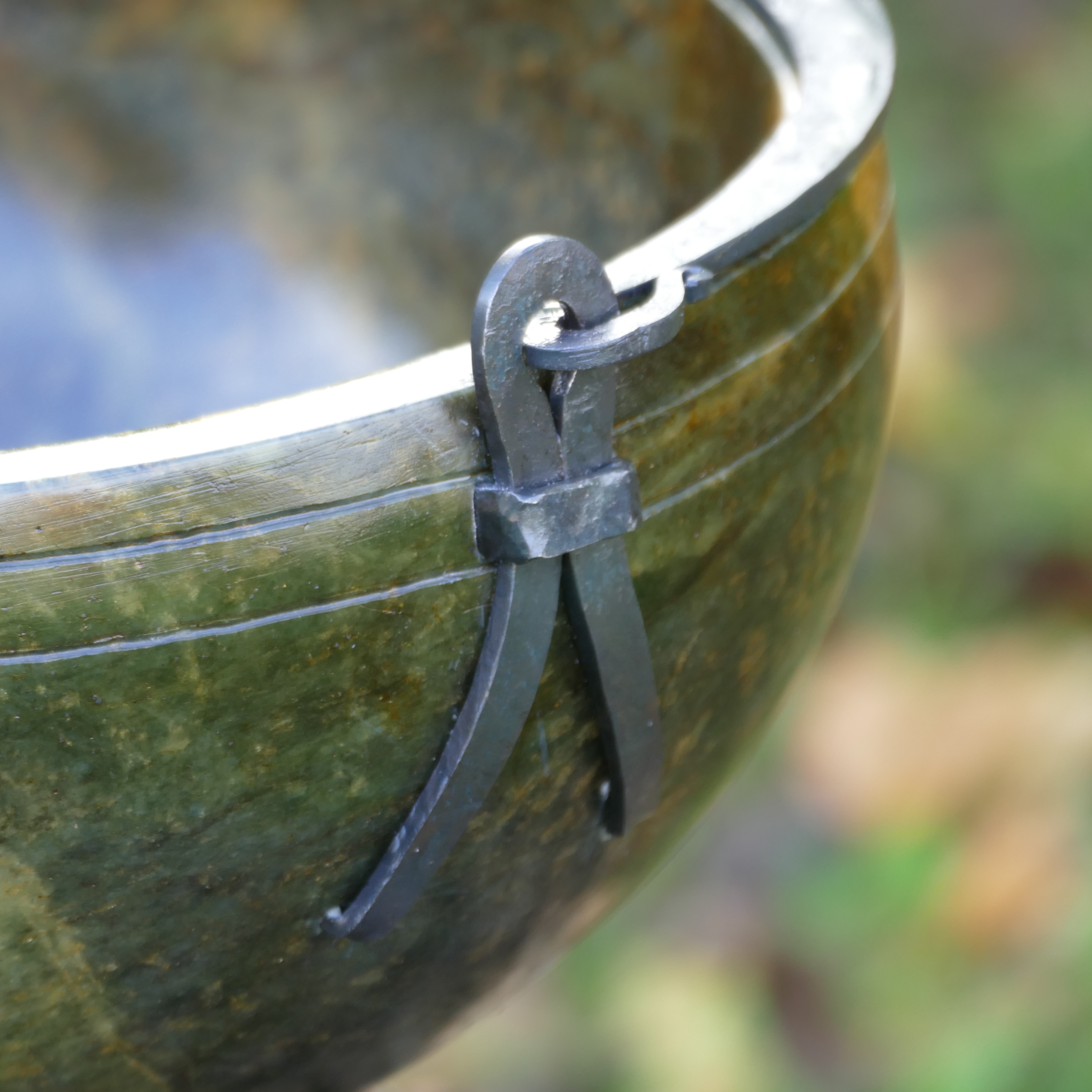
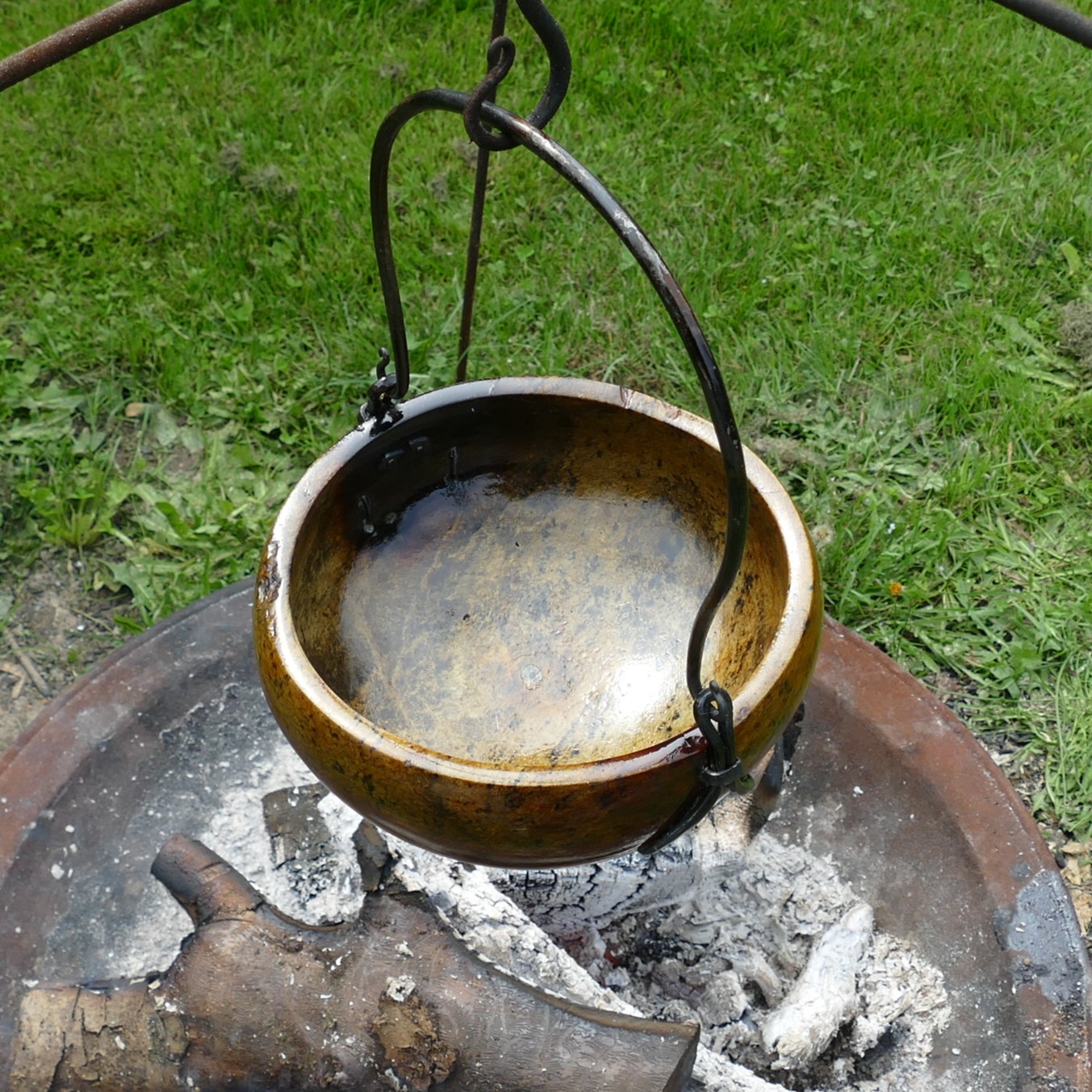
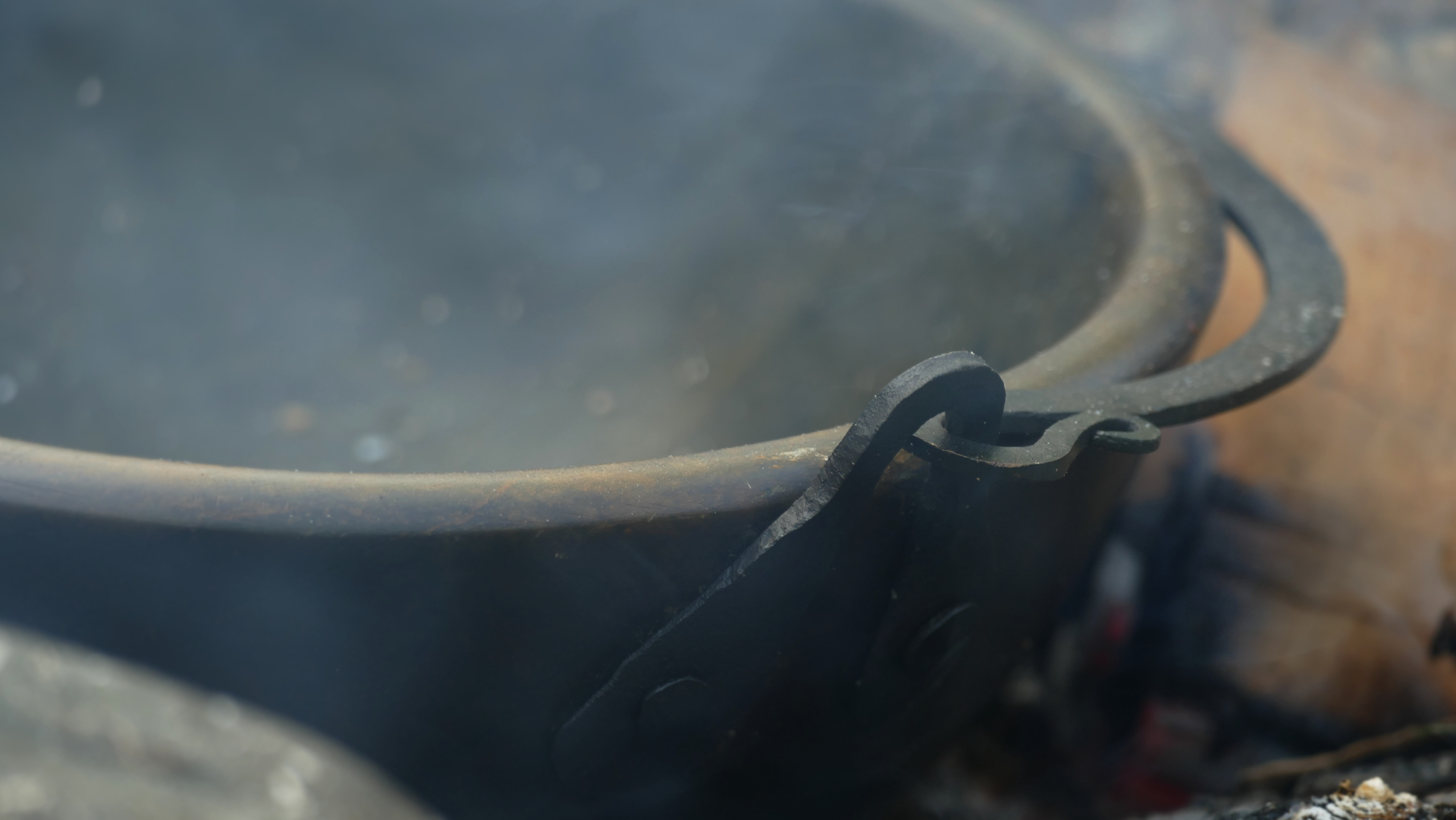
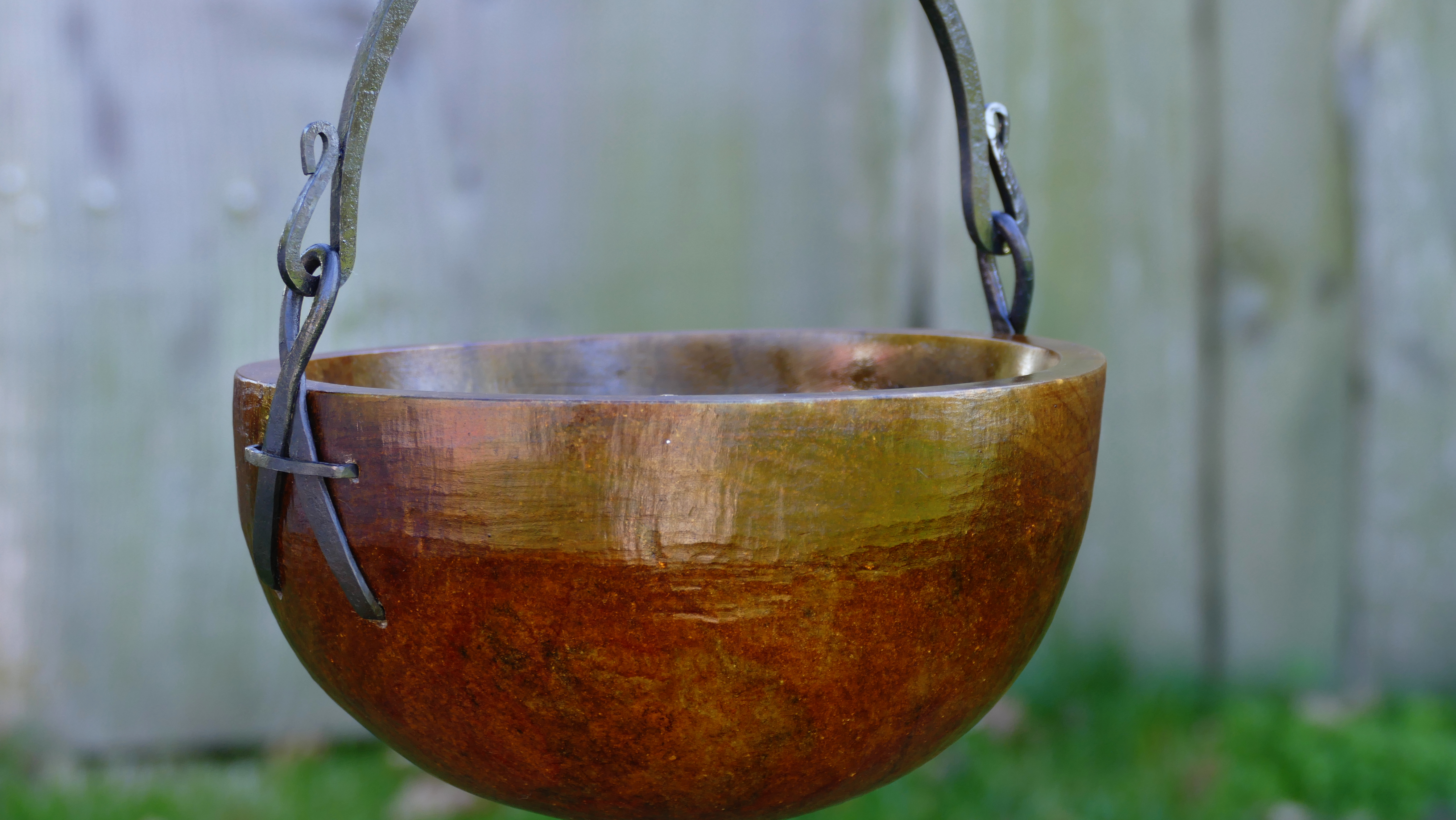
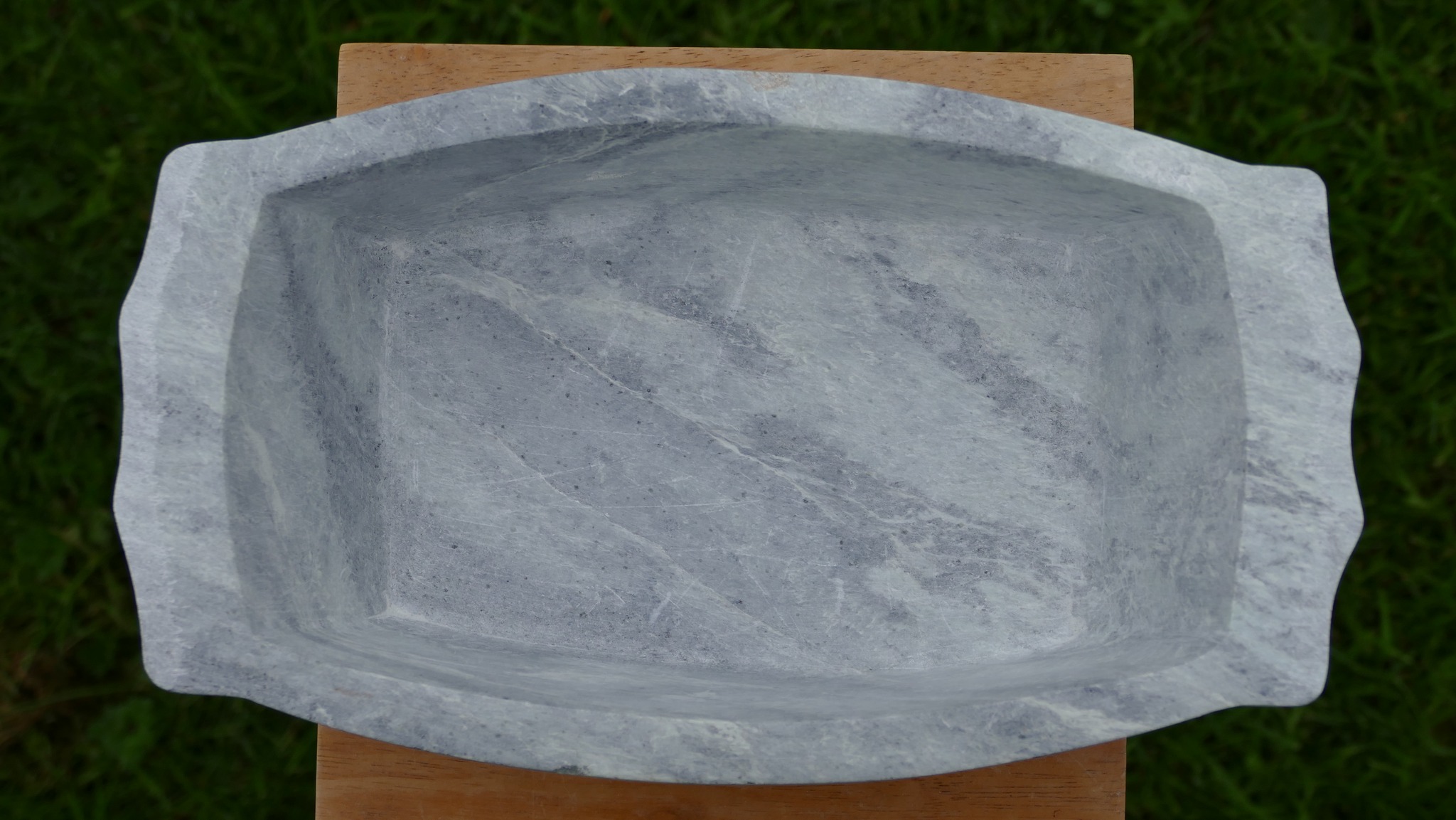


It is possible to view many of the soapstone cauldrons, on the Unimus website (here) which combines the databases of several Norwegian university archives.
Below are some samples of my Viking age soapstone cauldron reproductions, based from museum references provided to me by customers from the above resource:
prices
Prices are based on the cauldron size, as a direct result of the amount of primary material needed to produce the item. The price includes the hand-forged ironwork (handle attachments, rivets, and handle), and the standard prices are:
SMALL: up to and including 19 cm (7.5 inches): 300 Euros
AVERAGE: from 20 up to and including 23 cm (9 inches): 350 Euros
LARGE: from 24 cm upwards: 400 Euros
I may need to add an additional 50 euros to the price in the event that the cauldron’s iron hardware is particularly complex, or the bowl is deeper than average; in this case I will discuss this with you prior to starting your order. It is possible to order the cauldron without the iron handle and fittings, in which case the price is 100 euros less. In this instance, however, perhaps you would prefer a reproduction of a Viking age soapstone bowl instead.
how they are made
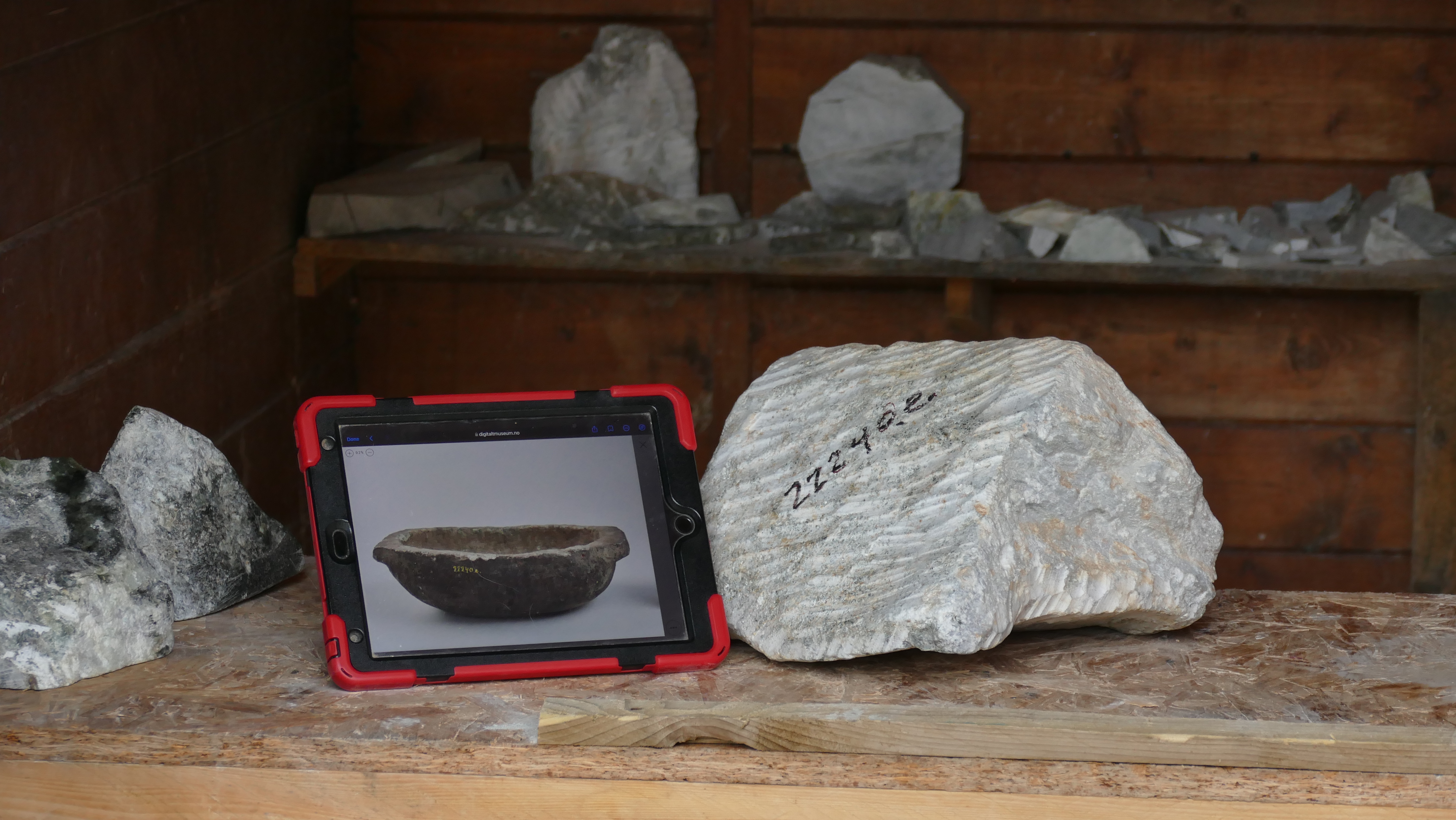
Rock selection for size
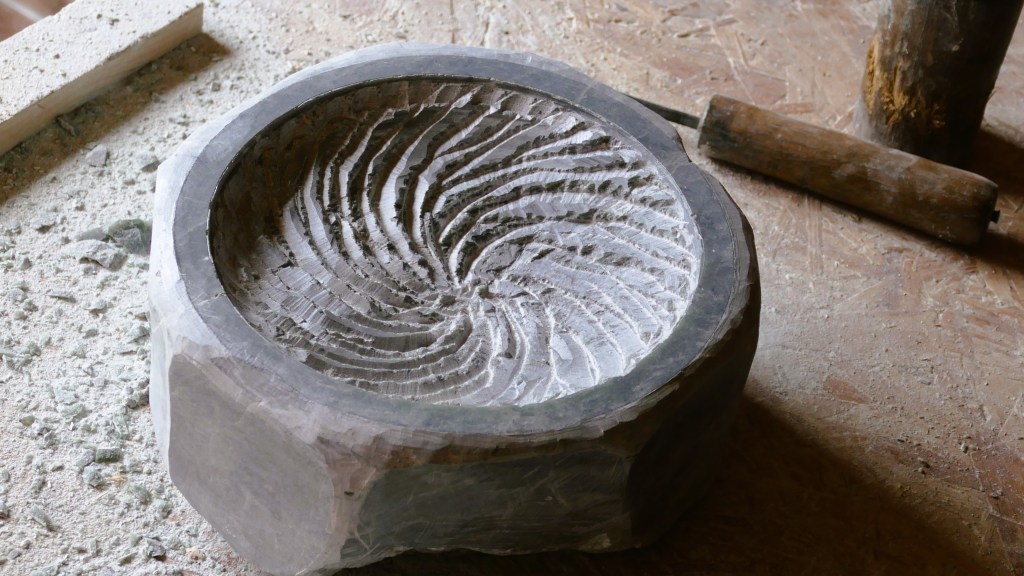
Hollow out in spirals
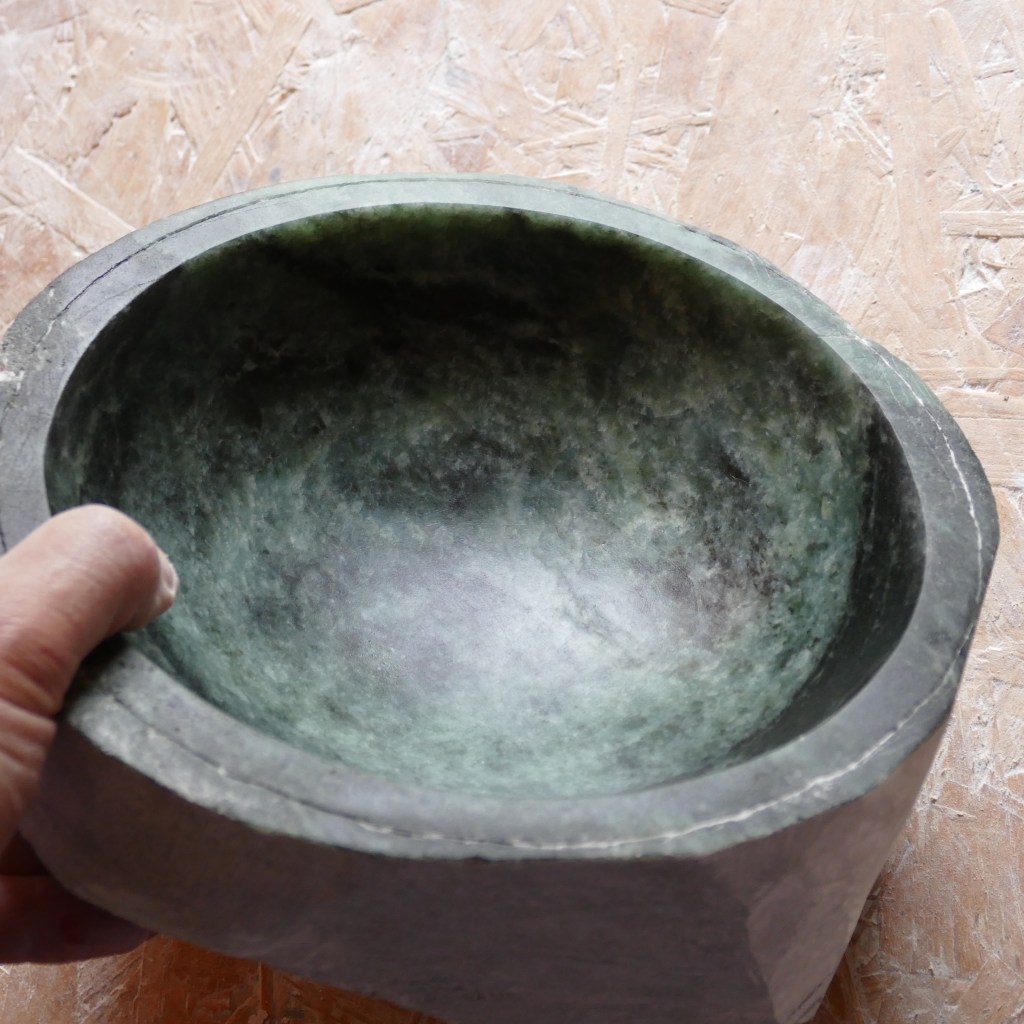
Finishing the interior

Rounding the exterior

Wipe linseed oil on surface
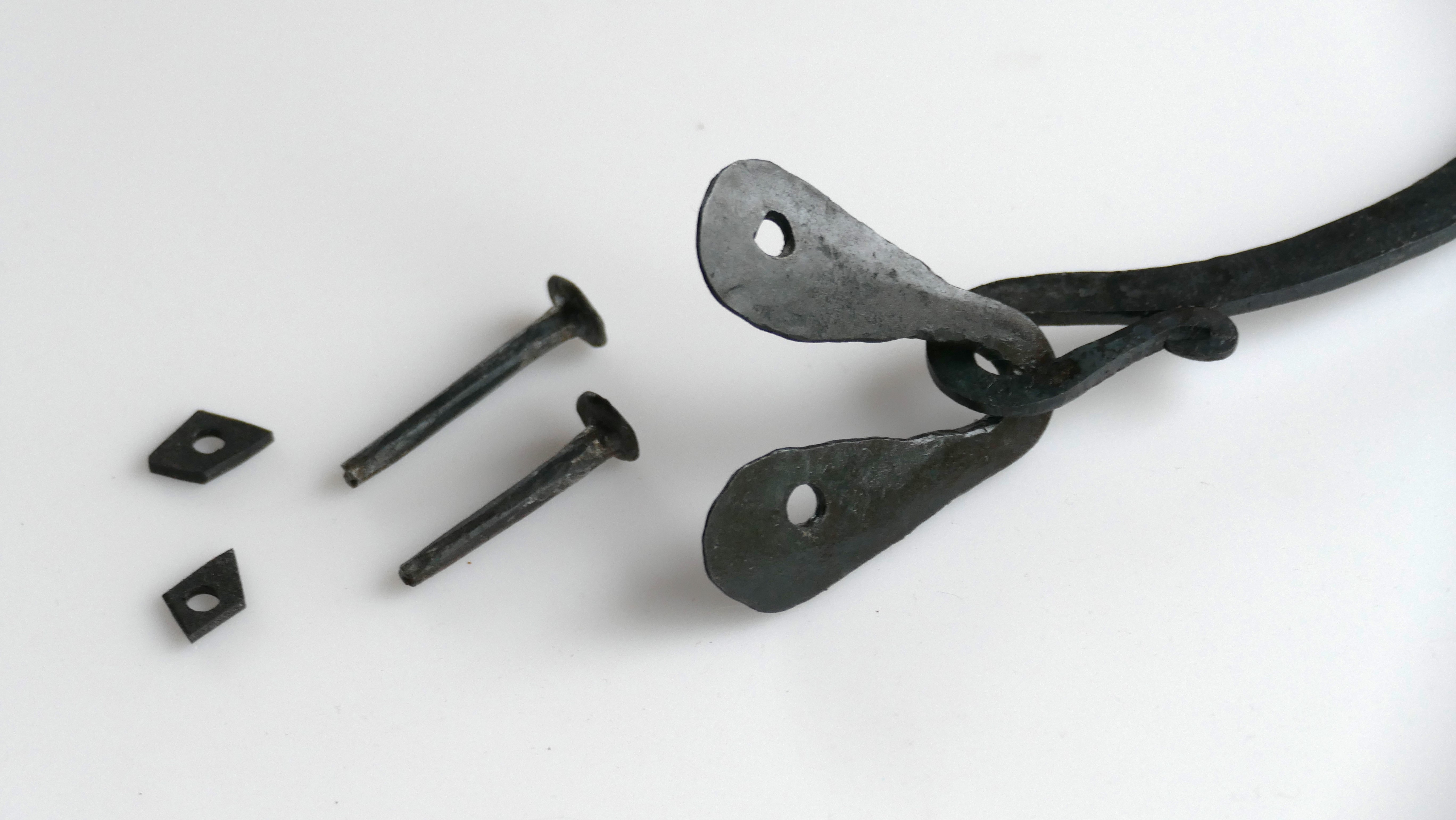
Forging hardware
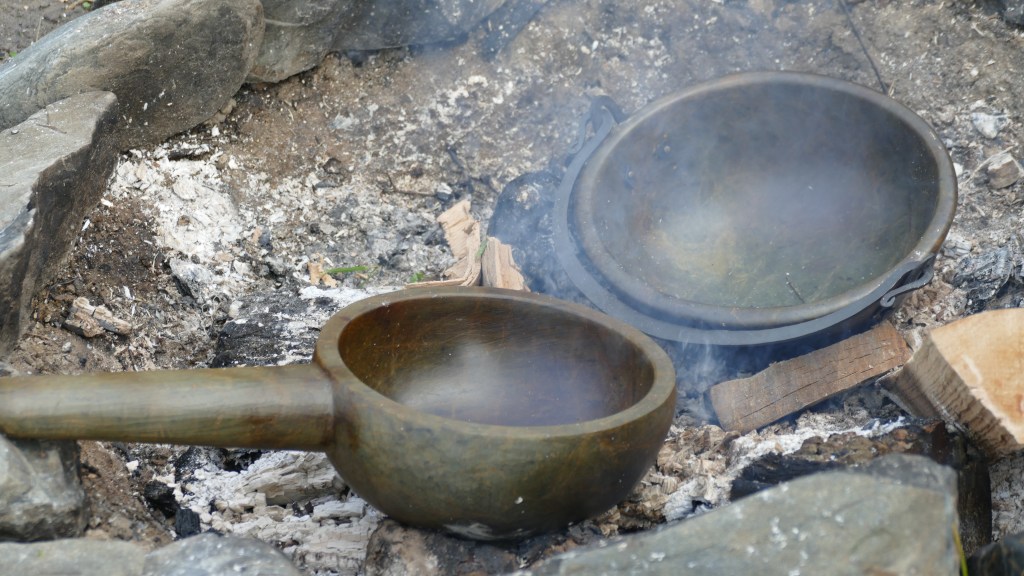
Seasoning in the fire pit
 Helg Reproductions